

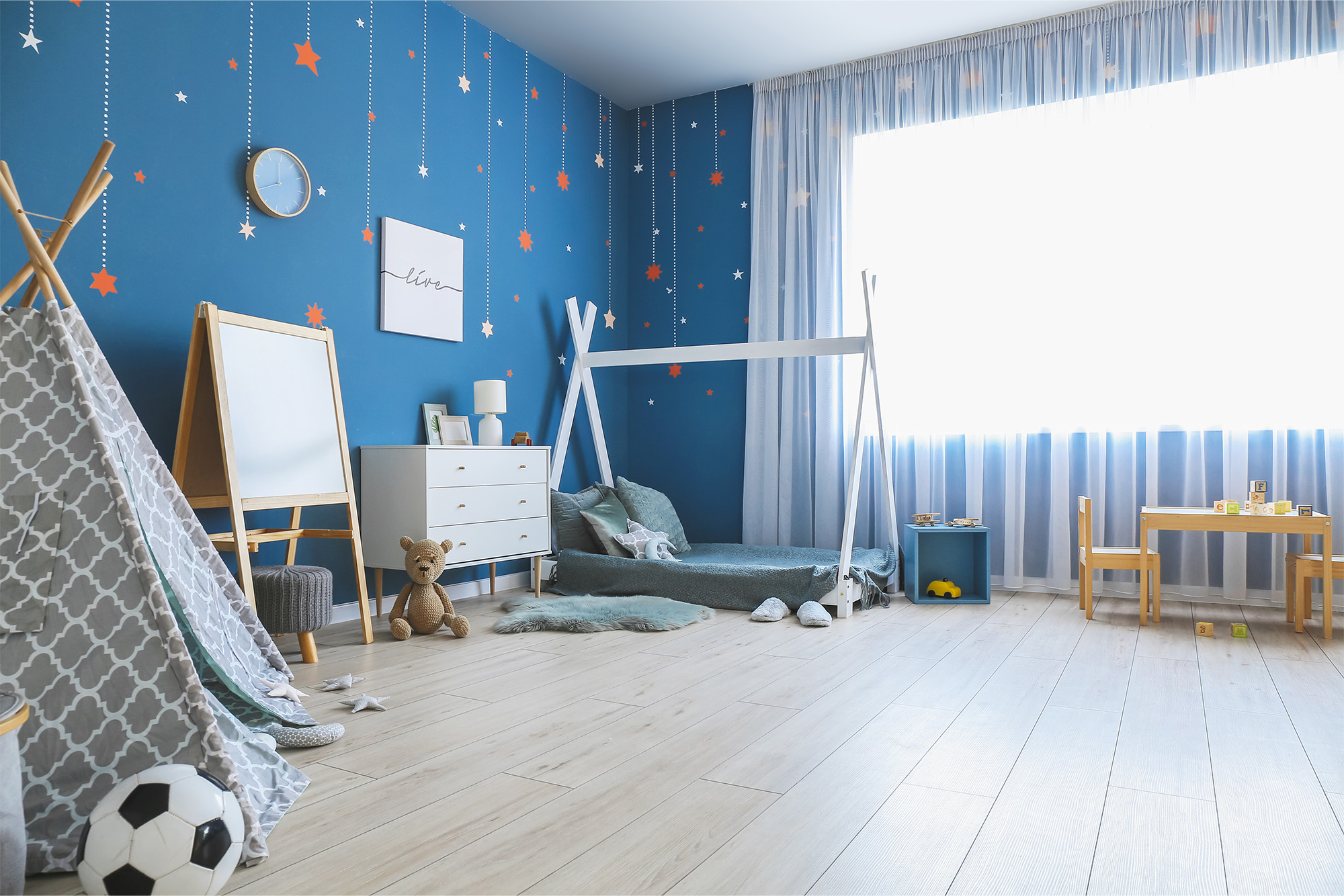
Laminate flooring is an excellent, durable choice for upstairs bedrooms, playrooms, and hallways, but without the right support underneath, it can act like a giant drum. Every heavy footstep, dropped toy, or pet claw echoes into the rooms below, turning a peaceful home into a noisy environment. If you want to enjoy the beautiful look of wood without the constant racket, fixing that issue comes down to one critical component: selecting the best soundproofing laminate underlayment.
Choosing the right material ensures a quiet home and keeps your floor structurally sound for decades. At Premium Prestige Flooring, we want to make sure your home renovation is smooth, transparent, and built to last. Let's look at the exact technical specs and material details you need to know to make an informed, smart financial decision for your upstairs rooms.
Look at the Technical Sound Ratings: STC and IIC
When you look at underlayment product specs, you will see two specific industry ratings. These numbers tell you exactly how well the material blocks sound transmission through the subfloor. Knowing these specs helps you buy exactly what you need without overpaying for marketing fluff.
IIC (Impact Insulation Class)
This rating measures impact sounds, which travel through structures. Think of footsteps, dropping heavy objects, or dragging chairs across the floor. For upstairs rooms, this is the most important number to check. A higher number means less impact noise passes through to the ceiling below.
STC (Sound Transmission Class)
This rating measures airborne sounds, which travel through the air. This includes voices, music, barking dogs, or the television. While important for general wall and ceiling construction, it works alongside the IIC rating to give you a complete acoustic barrier.
Most local building codes for multi-family homes, townhomes, or condos require an IIC and STC rating of 50 or higher. But if you own a single-family home and want a truly quiet upstairs space where you cannot hear the kids running around upstairs, you should look for high-performance underlayment rated 60 or above.
Top Underlayment Materials for Sound Dampening
Different materials offer varying levels of density, compression resistance, and acoustic control. Matching the material to your household activity level ensures your laminate performs perfectly.
Acoustical Foam Underlayment
This is a budget-friendly option that offers decent sound reduction for guest rooms or low-traffic spaces. It is lightweight, easy to roll out, and simple to cut during installation. But cheap, low-density foam can compress over time under the weight of heavy furniture. Once it compresses, it loses its sound-dampening properties and leaves your laminate joints unsupported, which can lead to floor damage. If you choose foam, make sure it is high-density acoustical grade.
Heavy Felt Underlayment
This is an excellent, highly durable choice for upstairs rooms. Felt underlayment is made from recycled fibers, making it dense and heavy. This high density makes it incredibly efficient at absorbing impact noise before it hits your subfloor. As a bonus, felt adds a more solid, substantial feel underfoot. It eliminates the hollow, clicking sound that poorly installed laminate floors sometimes make when you walk on them with hard-soled shoes.
Natural Cork Underlayment
Cork is a premium, natural sound barrier that offers unmatched acoustic performance. It contains millions of tiny air pockets per cubic inch that naturally trap and absorb sound waves. Cork is highly resistant to compression, meaning it will protect your floor locking joints for decades without sagging. It also acts as a natural thermal insulator, keeping upstairs rooms warmer. It does come with a higher upfront price tag, but the structural protection and total silence make it a smart investment.
Match the Underlayment to Your Laminate Specs
Before you purchase your underlayment, you must check the specific manufacturer's guidelines for your laminate flooring planks. Many modern laminate flooring products are manufactured with a pre-attached foam backing right on the bottom of the plank.
If your flooring already has an attached pad, adding another standard, thick underlayment layer underneath it is a bad idea. Doing this makes the floor foundation too soft and bouncy. That extra movement puts immense vertical stress on the clicking and locking joints when you walk across the room. Over time, those joints will crack, break, or separate, ruining your floor.
If you have pre-attached backing but still need extra soundproofing to meet building codes, you must use a dense, ultra-thin rubber or cork material specifically rated for that exact double-layer setup.
Protect Your Laminate with the Right Foundation
Choosing the right soundproofing underlayment is just as important as picking out the laminate flooring itself. Skipping this step or buying the wrong material means dealing with noisy rooms, squeaky planks, and damaged floor joints down the road. Taking the time to look at the STC and IIC specs now ensures your home stays quiet and your new floors last for decades.
At Premium Prestige Flooring, we do not believe in shortcuts or guesswork. We help you map out the exact specs your subfloor needs, match it to your chosen laminate, and provide transparent pricing with a clear, reliable installation schedule.
If you want to make sure your upstairs flooring project is built on a solid, quiet foundation, let's get to work. Visit us at our Marietta showroom to look at material specs with our team in person, or contact Premium Prestige Flooring today to speak with a local expert and schedule your home measurement.


