

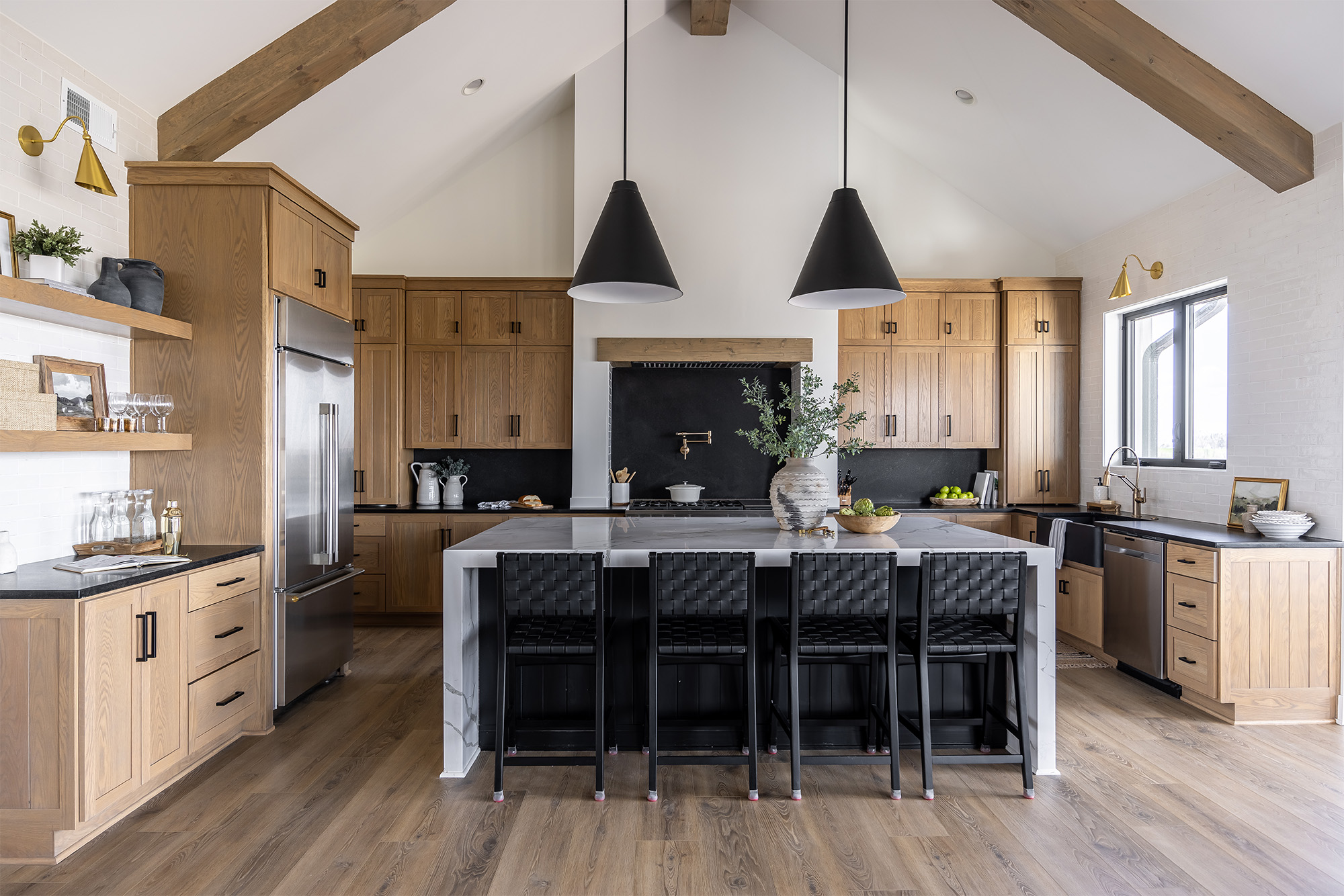
Traditional two-stories and mid-century ranch layouts across Marietta and Smyrna often feature beautiful family heirlooms, vintage furniture pieces, or original wood trim that you want to preserve. But when you want to install hardwood flooring, it can be a challenge to find an option that complements those pieces.
You can keep those classic pieces and still get the modern, clean look of brand-new hardwood without creating a clashing, chaotic design.
You can create a layered, intentional space that feels cohesive by understanding underlying color tones and grain patterns. Combining various wood surfaces correctly stabilizes the visual weight of your rooms and gives your entire floor plan a sense of permanence.
Navigating Original Trim and Architecture
Cobb County homes frequently feature permanent architectural elements like thick, dark-stained pine window casings, solid interior doors, or heavy fireplace mantels. Because you are likely keeping these original structures intact, your new hardwood flooring must complement these existing wood tones rather than fight them.
The secret to matching new planks with older regional woods like heart pine, cherry, or walnut lies in identifying the hidden undertone beneath the finish. Wood species generally carry warm, cool, or neutral base colors.
Warm Base Colors: Antique cherry and traditional red oak pieces feature distinct yellow, orange, or reddish hues. If your baseboard trim or built-in bookshelves have a warm finish, selecting a new hardwood floor with a golden or amber base creates a natural connection.
Cool Base Colors: Muted maple and gray-washed finishes carry subtle undertones of blue, gray, or cool white. These tones fit beautifully in updated split-levels, providing a clean backdrop that makes darker wood elements stand out.
Neutral Base Colors: Natural walnut and specific white oak cuts offer a highly adaptable canvas with soft beige or muted brown hues. Neutral floors give you maximum flexibility, allowing you to mix both warm accents and cool tones in the same room.
Aside from color, matching the scale of the wood grains helps control the visual energy of your space. Large, prominent grain patterns like those found in wire-brushed oak have a casual feel that pairs best with substantial wood features. Tighter, cleaner grain patterns create a streamlined look that suits delicate profiles.
Balancing Multi-Generational Family Heirlooms
Because families tend to stay in the Metro Atlanta area for decades, local living rooms rarely feature a single, matching set of box-store furniture. A single room often houses a prized mid-century modern credenza, a heavy nineteenth-century Georgia pine dining table passed down through the family, and new contemporary accent pieces.
Placing furniture with the exact same color and grain pattern directly on top of an identical hardwood floor makes your living spaces look washed out and flat. You want to choose a new hardwood species that sits at least two shades lighter or darker than your primary family heirlooms to create a clear sense of depth.
If you have a dark walnut dining table, installing a lighter natural oak floor creates a crisp frame that highlights the craftsmanship of the table. For lighter heirloom pieces, a rich, dark espresso or charcoal floor stain adds needed weight and structure to the room, making your treasured antiques look intentional rather than out of place.
Managing Light Shifts in Established Layouts
Older Marietta floor plans feature dedicated, closed-off rooms rather than wide-open walls of glass. The way local daylight filters through mature oak and pine canopies into a traditional room alters how wood undertones look throughout the day. A floor that looks perfectly neutral on a small sample board can turn aggressively orange or dead gray when laid out next to a large antique piece under local shade conditions.
You can handle these light shifts by using physical transitions to break up large expanses of wood when matching tones gets tricky. Placing a textile rug under a wood dining set provides a visual buffer, allowing you to feature different wood varieties in the same room without them competing for attention. Testing your wood samples in the actual rooms where they will be installed ensures your new planks look excellent under both morning shade and evening overhead lights.
Simple Rules for Balancing Your Wood Layouts
Achieving a flawless balance between your new floors and existing decor takes a practical approach before making a permanent purchase.
Contrast the Finishes: Combining matte or satin floor finishes with high-gloss antique furniture surfaces adds a layer of sophisticated texture to your layout.
Vary the Grain Scale: Mixing large, rustic grain patterns with tight, smooth wood cuts prevents your rooms from looking visually overwhelming.
Keep One Dominant Tone: Let your largest wood element—whether it is your new floor or your existing cabinetry—serve as the foundation, then use smaller furniture pieces to introduce accent tones.
Finding the Perfect Hardwood Connection in Marietta
Selecting the right hardwood floor to complement your existing furniture needs a hands-on approach under accurate lighting. We source our entire selection of premium solid and engineered hardwoods directly from top manufacturers to offer factory-direct pricing on every line. You get exceptional structural stability and beautiful grain selections without paying inflated boutique retail markups.
Our team removes the stress of home renovations by providing precise product specifications, straightforward warranties, and clear upfront quotes with zero high-pressure sales tactics. We ensure your new planks fit the architectural scale and style of your specific home.
Visit our Marietta showroom today to check out our hardwood styles in person, and feel free to bring a cabinet door, a chair leg, or a wood swatch directly to our display boards so we can find the perfect match for your space.


