

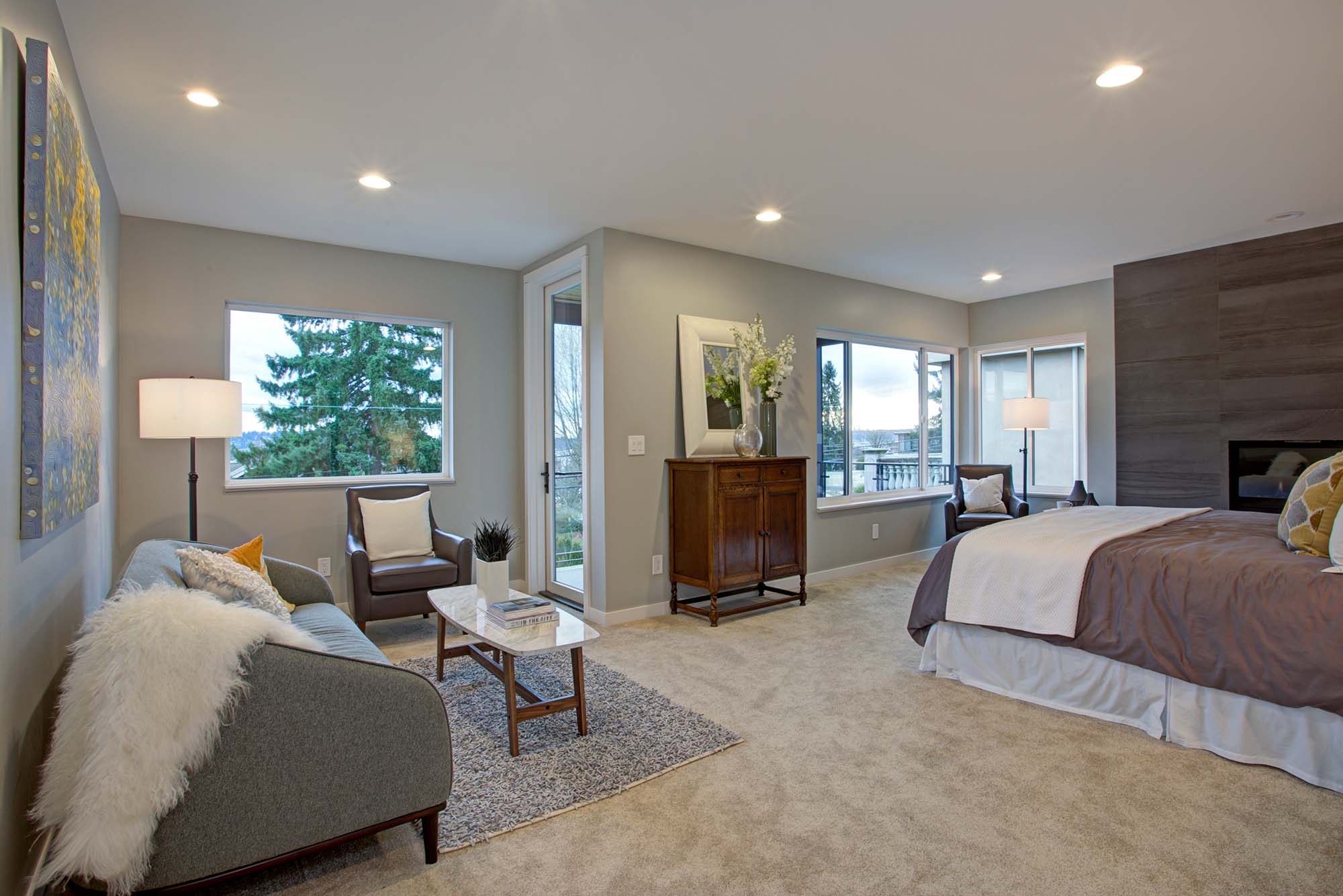
Putting an area rug on top of wall-to-wall carpeting is a great way to change up a room without tearing out the floor. Maybe your current carpet is looking a bit worn in high-traffic areas, or maybe you are renting a place in the Metro Atlanta area and cannot pull up the existing flooring. Layering an area rug gives you a fast, cost-effective way to protect your floor and add a fresh look to your space.
Pulling off this look successfully takes a clear strategy. Without the right combination of textures, sizes, and colors, a layered rug can look like an accidental patch or a messy afterthought.
Match the Textures and Pile Heights
The secret to making a layered rug look intentional is contrast in the pile height. If you put the wrong rug texture on top of your carpet, the two materials will fight each other, causing the top rug to shift, wrinkle, or buckle every time you walk across it.
Low-Pile Carpet Gives You Freedom
If your home has low-pile carpet, tight Berber, or industrial-style flooring, you have the perfect foundation. Because these carpets are naturally dense and flat, they act almost like a solid subfloor. You can layer a thick, high-pile shag rug, a plush wool rug, or a heavy woven texture right on top. The contrast between the flat base and the thick rug looks deliberate and holds up beautifully under daily foot traffic.
Plush Carpet Demands a Flat Weave
If your room has thick, plush, or deep-pile carpeting, you must be careful. Placing a thick, heavy rug on top of a soft, squishy carpet creates too much cushion. The top rug will sink, causing the edges to curl up into a dangerous trip hazard. For plush carpets, stick strictly to thin, lightweight, flat-woven rugs like kilims or low-profile jute.
Balance Colors and Patterns to Avoid Clutter
Layering a rug over carpet is a visual balancing act. You are blending two massive design elements, and if their patterns or colors clash, the room will immediately feel smaller and chaotic.
Pair Solid Bases with Bold Patterns
If your wall-to-wall carpet is a solid, neutral color—like cream, gray, or beige—you can use the top rug to make a statement. This is your chance to introduce a bold geometric print, a rich traditional pattern, or a vibrant pop of color. The neutral carpet acts as a frame, grounding the room and keeping the bold pattern from overwhelming the space.
Keep Patterned Carpets Simple
If your existing carpet already has a distinct texture or pattern, like a prominent diamond weave or a speckled track, your layered rug must be subdued. Choose a solid-colored rug or a subtle tonal design that matches one of the secondary colors in your carpet. Introducing a second, competing pattern will make the floor look cluttered and messy.
Scale the Rug Size Correctly
Size matters just as much as color. If you put a tiny rug in the middle of a large carpeted room, it looks completely lost and creates an annoying lip right in the middle of your walking path.
Your layered area rug must be large enough to ground the furniture in the space. In a living room, the rug should extend under the front legs of your sofa and chairs. In a bedroom, it should sit beneath the bed and extend at least two feet past the sides. Leaving a clear, uniform border of your wall-to-wall carpet around the perimeter of the room makes the layering look balanced and professionally executed.
Protect Your Carpet from Long-Term Wear
While layering a rug protects your carpet from spills and heavy foot traffic, dirt and fine dust particles can still get trapped between the two layers. Over time, daily footsteps grind that hidden grit into the underlying carpet fibers like sandpaper, wearing them down prematurely.
Every time you do your regular cleaning, flip back the edges of your area rug and vacuum the carpet underneath. Removing that hidden debris ensures that whenever you decide to change your style, your wall-to-wall carpet underneath remains in pristine condition.
Refresh Your Look
Layering an area rug over carpet is a smart, budget-friendly way to refresh your home, but it works best when you understand the physical properties of your existing floors. This design strategy lets you update a room instantly without the mess or expense of a full renovation.
Choosing the right pile heights, balancing your patterns, and keeping the underlying carpet clean ensures your new layout looks sharp and lasts for years. At Premium Prestige Flooring, we want to help you make the smartest decisions for your home, whether you are doing a quick weekend update or planning a larger project down the road.
If you want to look at premium rug options, match textures, or discuss upcoming flooring updates for your home, let's get to work. Visit our Marietta showroom today to talk with our team in person, or contact Premium Prestige Flooring to get your next project started.


